Removals tips for Tufnell Park Road and N19 streets
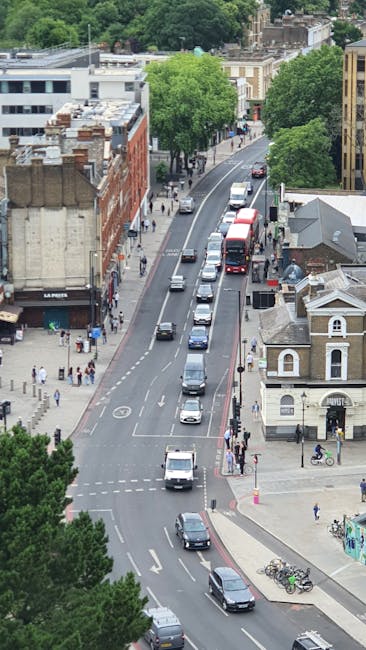
If you are planning a move on Tufnell Park Road or any of the nearby N19 streets, a little local know-how goes a long way. The roads can feel tight, parking can be awkward, and a move that looks simple on paper can quickly turn into a stop-start morning with boxes in the hallway and a van circling the block. These removals tips for Tufnell Park Road and N19 streets are here to make the whole thing calmer, faster, and a lot more predictable.
Whether you are moving from a flat, a family house, a student let, or a small office, the trick is the same: plan for the street as carefully as you plan for the packing. In practice, that means thinking about access, timing, lifting space, neighbours, and the type of removal help you actually need. Let's face it, the last thing anyone wants is to discover the wardrobe only fits out of the building at a 45-degree angle.
In this guide, you will find a practical breakdown of how local removals work, what tends to go wrong, and how to avoid the usual headaches. You will also see where services like man with van support, flat removals, packing and boxes, and pricing and quotes can fit into the picture if you want a more hands-off move.
Why Removals tips for Tufnell Park Road and N19 streets Matters
Tufnell Park Road sits in an area where everyday traffic, residential parking, and narrow stretches can combine to make a move more complicated than it first appears. N19 streets nearby can vary a lot too: one address might have decent frontage and a short walk from van to door, while another might involve stairwells, basement flats, shared entrances, or awkward loading points. That variation matters. A move is rarely just about distance; it is about access.
Good local planning reduces delays, reduces damage risk, and makes life easier for everyone involved, from the people moving to the neighbours who still need to get past. It also helps you choose the right removal service rather than overpaying for too much vehicle capacity or under-booking and needing a second run. If you have ever watched a sofa get stuck on a landing, you already know why a bit of preparation pays off.
There is another reason this topic matters: local moves often happen under time pressure. Tenancy handovers, completion dates, school runs, and work schedules do not always align nicely. A move that is organised street-by-street, box-by-box, tends to feel much less chaotic. That is especially true if you are combining home moving with services such as home moves, house removals, or even student removals during a busy turnover period.
How Removals tips for Tufnell Park Road and N19 streets Works
A smooth local removal usually follows the same broad pattern, though the details change depending on property type, vehicle access, and how much you are moving. First comes the survey or inventory stage. Then comes packing, route planning, loading, transport, and unloading. Sounds simple enough. In real life, each step has small decisions that affect the whole day.
For Tufnell Park Road and N19 streets, the access questions tend to be the most important:
- Can a van stop close enough to the entrance without blocking the road?
- Is there space to open doors fully and carry larger items safely?
- Are there stairs, tight corners, low ceilings, or narrow hallways?
- Will parking need to be arranged around rush-hour traffic or neighbour access?
- Do you need a larger vehicle, a smaller van, or a two-person team?
If you answer those questions early, you can make a more sensible plan. That might mean booking a removal van for a compact move, choosing man and van support for a smaller load, or using a bigger vehicle such as a moving truck for a full household move. No drama, just the right fit.
Another part of how it works is sequencing. The best removal teams do not just lift items randomly. They load in an order that protects fragile things, keeps weight balanced, and makes unloading faster at the destination. If packing has been done properly, that process becomes much smoother. If not, well... the kettle somehow ends up under the duvet and everyone pretends that was meant to happen.
Key Benefits and Practical Advantages
When you plan removals well on Tufnell Park Road and nearby N19 streets, the payoff is immediate. You save time, reduce stress, and usually avoid a lot of avoidable physical effort. There are also a few less obvious advantages that people often miss.
- Faster loading and unloading: clear access and sensible packing reduce the number of trips in and out.
- Lower risk of damage: fewer awkward lifts and less crowding around doorways means fewer knocks and scrapes.
- Less disruption to neighbours: a well-timed move is quieter and less obstructive.
- Better cost control: you are less likely to pay for wasted time, extra labour, or a second vehicle.
- More confidence on moving day: when you know the plan, the day feels manageable rather than messy.
For some households, the biggest benefit is simply having one less thing to think about. If you are already juggling keys, cleaners, school bags, and work calls, you do not need a removal day that keeps changing shape. Services such as packing and unpacking services or storage can also take a surprising amount of pressure off when timings are not perfectly aligned.
Who This Is For and When It Makes Sense
These tips are useful for almost anyone moving in or out of the Tufnell Park Road area, but they are especially relevant if you are dealing with one of the common local scenarios below.
Flat movers and renters
Many local properties involve stairs, shared entrances, or limited outside space. If that sounds familiar, flat removals is the kind of service that fits the job better than a generic load-it-and-go approach. A flat move needs careful timing, coordination, and a bit of patience. Truth be told, the patience part matters more than people expect.
Families moving house
Families usually have more furniture, more boxes, and more moving parts. A standard plan may still work, but it needs more structure. In that case, house removalists or house removals can be a better match because the job is handled as a full household move, not just transport.
Students and first-time movers
If you are moving between rented rooms, shared flats, or compact studio spaces, the priority is usually speed and affordability. A smaller vehicle and less complicated planning often make the most sense. That is where student removals can be a sensible choice, especially when the move involves only a few bulky items and a pile of boxes that seemed much lighter in your head.
Small business and office moves
Local offices, studios, and workspaces also need careful planning, especially if you want to keep disruption low. office removals or commercial moves are usually best when the team can work methodically around equipment, files, and deadlines.
Anyone with a tight deadline
Sometimes the move does not happen when you want it to. Keys get delayed, contracts shift, or an end-of-tenancy handover comes up faster than expected. In those cases, it may be worth looking at same-day removals if the service is genuinely appropriate for your situation.
Step-by-Step Guidance
If you want a move that feels calm rather than rushed, work through the process in order. A bit of structure helps hugely on streets where access and parking can become the main issue.
- Assess the property properly. Measure major furniture, note staircases, check hallway widths, and look at the route from door to van. If you are moving from a top-floor flat, measure the corners too. It sounds obvious, but obvious things are the ones people skip.
- Decide what is actually moving. Separate keep, donate, recycle, and store. Do not fill boxes with "maybe" items unless you like unpacking the same mystery three times.
- Choose the right service type. A compact move may suit a man with van option, while a larger move might need a more comprehensive removals service.
- Pack by room and by fragility. Label boxes clearly, and keep heavier items at the bottom. If you are unsure where to start, use a structured approach with packing and boxes.
- Protect the awkward items. Wardrobes, mirrors, artwork, monitors, and lamps need more care than they usually get. Wrap, pad, and tape them so they do not become the day's main problem.
- Plan parking and access in advance. If the van cannot stop near the door, your move becomes longer and more tiring. On a road like Tufnell Park Road, that detail can change everything.
- Prepare the destination before the van arrives. Put room signs on doors, clear floor space, and make a path for the biggest items. You will thank yourself later, probably while carrying the third box of books.
- Do a final sweep. Check cupboards, loft spaces, under beds, behind doors, and in sockets where chargers somehow vanish. The last sweep always finds something.
One useful habit is to make a simple "first-night box" with chargers, kettle, mugs, toilet paper, medication, snacks, and a change of clothes. It sounds small. It is not small on day one.
Expert Tips for Better Results
Here is where the local detail really helps. These are the sorts of tips that make a move feel smoother in real conditions, not just in theory.
- Book your move early in the day if possible. Traffic is often easier, and you are less likely to run into a domino effect of delays.
- Avoid overfilling boxes. A box packed with books can become a small brick. Fine for transport, less fine for your back.
- Keep loose items together. Bags, cables, cushions, and smaller kitchen bits should not be floating around the van.
- Use colour coding for rooms. Even simple coloured tape can save time when unloading.
- Take photos of cable setups before unplugging. This is a tiny step that prevents a very annoying evening later.
- Leave an access path in each room. That makes loading quicker and reduces the risk of scuffed walls.
- Speak honestly about stairs and heavy items. A piano, American-style fridge, or large wardrobe is not an item to gloss over. If it needs specialist handling, say so early and look at piano removals or a more suitable setup.
One more thing: if you are moving a mix of furniture and single items, you may not need a full household removal. In many cases, furniture removals or furniture pick up is enough. Choosing the smaller, better-fit option can be a smart decision, not a compromise.
Common Mistakes to Avoid
Most stressful moves are not caused by one huge disaster. They are usually the result of five small mistakes stacking up on the same day. A bit harsh, maybe, but true.
- Leaving packing too late: last-minute packing creates missing items, weak boxes, and a rushed mood.
- Assuming parking will sort itself out: on busy residential streets, that assumption can cost you time and patience.
- Forgetting to check access routes: a van outside is no help if the sofa cannot turn the corner.
- Mixing fragile and heavy items: this leads to damage and poor box stability.
- Underestimating how much there is to move: it is amazing how much a home can contain when you start putting it into boxes.
- Not asking about insurance and safety: a reputable mover should be able to explain how items are handled and protected. A clear insurance and safety approach matters more than flashy promises.
- Choosing a service only on headline price: a very cheap quote that misses access issues is not really cheap at all.
If you want to avoid the common pricing trap, take a look at pricing and quotes and make sure the quote matches the real job, not just the ideal version of it.
Tools, Resources and Recommendations
You do not need a mountain of specialist equipment for a local move, but a few basic tools make a huge difference.
| Tool or resource | Why it helps | Best for |
|---|---|---|
| Strong moving boxes | Protects belongings and stacks neatly in the van | General household moves |
| Bubble wrap / paper wrap | Reduces breakage for delicate items | Glassware, ornaments, lamps |
| Labels and marker pens | Makes unloading faster and more organised | Any move with more than a few boxes |
| Furniture blankets | Helps guard against scuffs and scratches | Wardrobes, tables, dressers |
| Trolley or sack truck | Reduces lifting strain on heavier items | Flat moves and multi-box loads |
| Short-term storage | Bridges timing gaps between homes or lets | Staged moves and delayed access |
If you are moving office equipment, consider a more structured approach and use office relocation services where coordination matters as much as transport. For domestic moves, home moves often give you a clearer end-to-end process.
A useful recommendation: keep one small bag with essentials that stays with you rather than in the van. Passport, chargers, keys, medications, and a bottle of water. Basic stuff, but if it is missing at 9:30 in the evening, suddenly it is very important.
Law, Compliance, Standards, or Best Practice
For a normal residential move, you do not need to become a legal expert. Still, there are sensible UK practices to keep in mind. Moving companies should work safely, handle goods with care, and communicate clearly about any limitations, access needs, or exclusions. If heavy lifting is involved, safe manual handling matters. If items are valuable or fragile, handling procedures matter even more.
Best practice also includes honest quoting, clear terms, and a straightforward explanation of what is included. That is where pages such as terms and conditions, payment and security, and health and safety policy are useful for building trust before you book. None of that is glamorous, but it is exactly the kind of thing that separates a professional move from a stressful one.
Recycling and disposal also matter. If you are getting rid of items you no longer need, try to separate reusable furniture from general waste. A responsible recycling and sustainability approach keeps the move tidier and avoids unnecessary waste. If your move has a broader ethical or operational concern, it is also worth knowing that a reputable firm should be transparent about how it operates and who it works with.
Options, Methods, or Comparison Table
Choosing the right moving method depends on volume, access, and timing. Here is a simple comparison to help you think it through.
| Option | Best for | Strengths | Watch-outs |
|---|---|---|---|
| Man and van | Small flats, light loads, single-room moves | Flexible, practical, often efficient | May be too small for larger household moves |
| Removal van | Medium domestic moves and local relocations | Good balance of space and manoeuvrability | Needs decent packing discipline |
| Moving truck | Larger homes, bulky furniture, fuller inventories | More capacity, fewer trips | Can be harder to park on tighter streets |
| Full removals service | Complex household or office moves | More support, better coordination | Usually costs more than a basic load-and-go job |
| Storage-backed move | Delayed completion, downsizing, staged relocation | Flexible timing and breathing room | Requires extra planning for later delivery |
If you are unsure which route to choose, think about the narrowest point in the move: access, volume, or timing. That single question usually points you in the right direction.
Case Study or Real-World Example
Here is a simple example from a typical local move scenario. A couple moving from a second-floor flat off Tufnell Park Road had a sofa, a bed frame, a few pieces of shelving, and around twenty boxes. On paper it looked straightforward. In reality, the staircase had a tight bend halfway down, street parking was limited, and one wardrobe was wider than anyone remembered.
The move went much better once the access issues were acknowledged early. The team used a smaller vehicle, moved the sofa first while the stairwell was still clear, and kept the remaining furniture dismantled until loading. They also set up the new place before arrival so boxes could go directly into the correct rooms. It was still a moving day, of course. There were still dusty corners, missing screws, and one brief argument over where the lamp should live. But it finished on time and without the kind of last-minute panic that usually makes people swear never to move again.
That is the real lesson: on local streets, success often comes from tiny details done in the right order. Not magic. Just method.
Practical Checklist
Use this checklist a day or two before the move. It keeps things tidy and stops the last-minute scramble.
- Confirm the moving date and arrival window.
- Check access from street to front door.
- Measure large furniture and problem items.
- Reserve or think through parking arrangements.
- Finish packing non-essentials.
- Label every box by room and priority.
- Set aside fragile items and valuables.
- Prepare a first-night essentials bag.
- Defrost and clean appliances if needed.
- Take meter readings and photographs if useful.
- Disconnect electronics and keep cables together.
- Walk through every room for a final check.
Expert summary: The easiest way to improve a local move on Tufnell Park Road or an N19 street is not to "do more" on the day, but to remove uncertainty before the van arrives. Measure, label, plan access, and choose the right service level. That one habit saves time, money, and a lot of needless stress.
Get a free quote today and see how much you can save.
Conclusion
A successful move on Tufnell Park Road and the surrounding N19 streets is usually less about brute force and more about preparation. If you think carefully about access, parking, packing, and the size of the load, you will already be ahead of most moving-day problems. And if you match the right service to the job, the rest becomes much easier to manage.
The good news is that local moves do not need to feel overwhelming. With the right plan, a sensible vehicle, and a bit of patience, you can get from one doorstep to the next without turning the day into a marathon. That's the goal, really: fewer surprises, fewer bruised shins, and a calmer start in your new place. There's something quietly satisfying about that first box being placed exactly where it should be.
If you are still deciding how much help you need, reviewing removal services alongside about us can help you understand the support available before you commit. From there, the next step is simply to plan well and move with confidence.
Frequently Asked Questions
What is the best removals option for a flat on Tufnell Park Road?
For most flats, the best option depends on how much you are moving and how easy the access is. A smaller job may suit a man and van setup, while a larger or more awkward flat move is usually better handled through flat removals.
How far in advance should I book a removal on an N19 street?
As early as you reasonably can. If your move is tied to a tenancy end, completion date, or a specific handover slot, early booking gives you more choice and reduces stress. Short-notice bookings can still work, but they tend to limit your options.
Do I need to arrange parking for the removal van?
Often, yes, or at least you should think through where the vehicle can stop safely. On busy residential streets, access and parking can be the difference between a quick move and a slow one. It is worth checking this before the day, not during it.
Is a man and van service enough for a local move?
Sometimes. It is usually a good fit for smaller loads, student moves, single rooms, or a few pieces of furniture. If you are moving a full house, heavier furniture, or lots of boxes, you may need a larger removals service.
What should I pack separately on moving day?
Keep essentials with you: keys, phone charger, medication, snacks, water, documents, and a change of clothes. You may also want a kettle and a couple of mugs in an easy-to-reach box, because tea solves more than people admit.
How do I know if I need storage?
If there is a gap between leaving one property and fully moving into the next, or if you are downsizing and cannot take everything at once, storage can make the process much smoother. It is especially useful for staged moves or delayed completion dates.
Are packing services worth it?
If time is tight, your packing is already running behind, or you have fragile items that need careful wrapping, packing services can be well worth it. They are especially helpful if you would rather avoid the exhausting final push the night before.
What are the biggest risks during a local removal?
The biggest risks are usually avoidable: poor access planning, weak packing, rushed lifting, and underestimating how long the move will take. Damage and delay tend to come from those issues more than from the distance itself.
Can I move large furniture through narrow staircases safely?
Sometimes, yes, but it depends on the furniture and the staircase. Large items may need dismantling, specialist handling, or a different route altogether. If something looks tight, do not force it. That is how corners get scuffed and nerves get frayed.
What if I need to move at very short notice?
If the timing is urgent, a same-day removals option may be suitable, depending on availability and the size of the job. For bigger or more complex moves, short notice can still work, but the earlier you provide the details, the better the chance of a smooth result.
How can I keep costs under control on a local move?
Be accurate about what is moving, pack properly, clear the access route, and choose the right vehicle size for the job. Transparent quotes matter too. When the job is described clearly from the start, there are fewer surprises later.
What should I look for in a removal company?
Look for clear communication, sensible planning, appropriate service options, and straightforward information about safety, insurance, and terms. It is usually a good sign when a company asks questions about access rather than just offering a quick price and hoping for the best.
If you take one thing from all this, let it be this: local removals get easier when you treat the street as part of the move, not just the starting point. A calm, well-planned move really is possible, even on a busy London road.